

Make Your Life Easier
We Buy Houses Dayton OH
"Sell My House Fast For Cash!"
Want to sell your house for cash in Dayton, Ohio? We buy houses as-is — 100% FREE! Learn About Our Cash Home Buying Process!
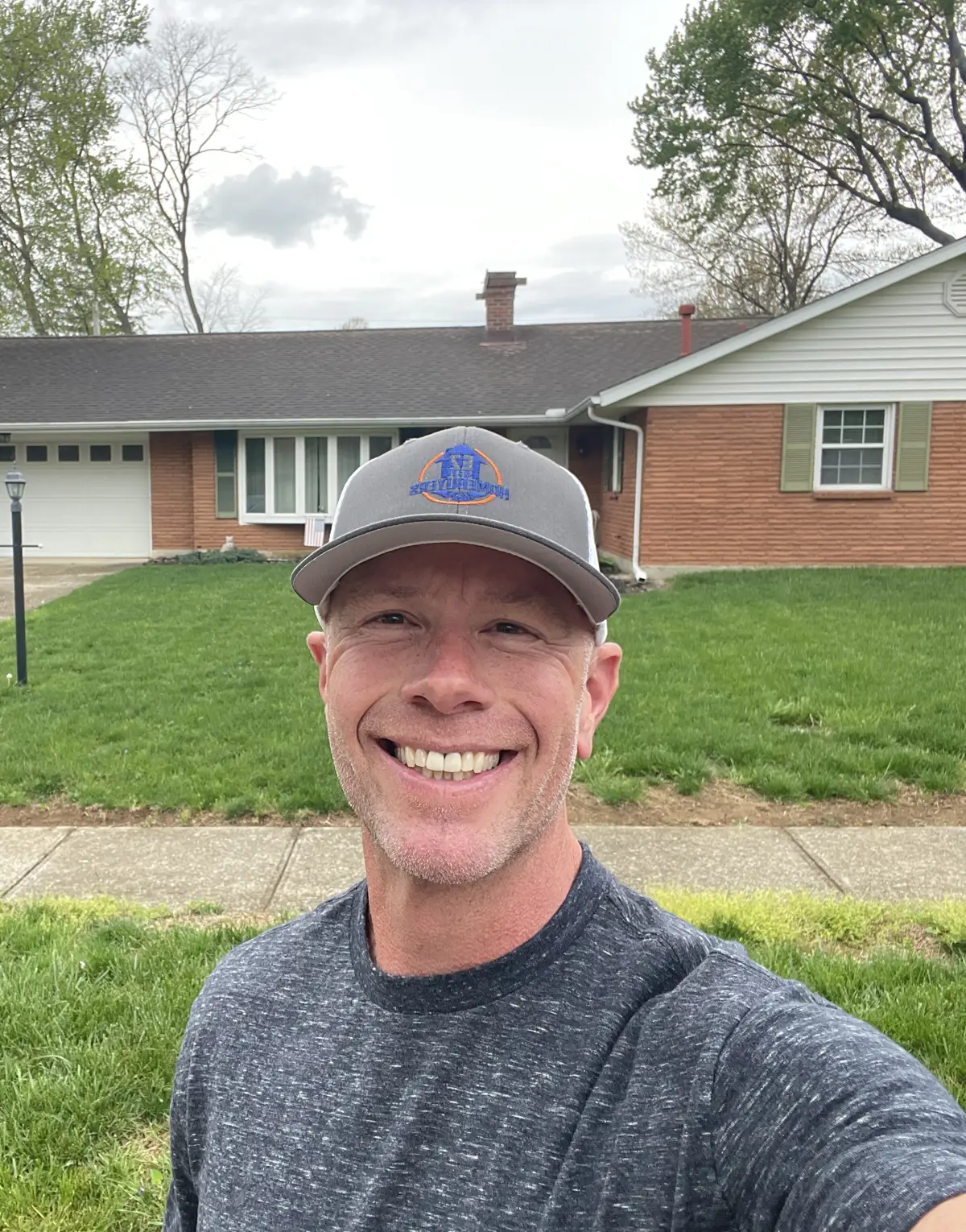
We're Honest Cash Home Buyers and we buy houses throughout Dayton, OH and the Miami Valley. If you want to sell your house fast, getting a cash offer is your best bet. As a local house-buying company, we won't waste your time making a lowball offer. Our goal is to make your life easier when selling your Dayton house.
As local cash home buyers, we care deeply about our reputation. We pride ourselves on offering the highest cash offers while remaining honest and transparent throughout the entire sale process. Call our home buyers at (937) 598-CASH — we might be an excellent fit for you!
Call Mike — Get Your Cash OfferSince 2016 we've purchased 300+ Dayton-area homes for cash, backed by Mike Wall's 1,700+ career real estate transactions — cash offers within 15 minutes, closings in as little as 7 days. That means less stress, fewer surprises, and a faster, smoother sale for you.
We Buy Dayton Houses In Any Condition, For Any Reason
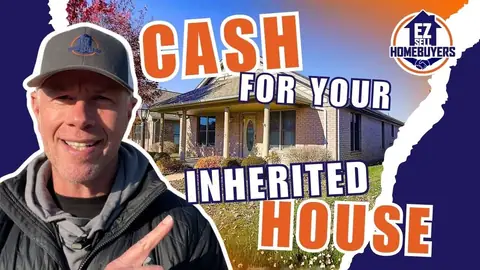
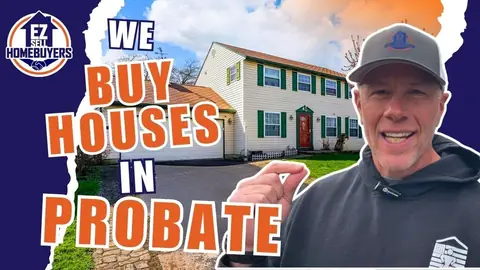
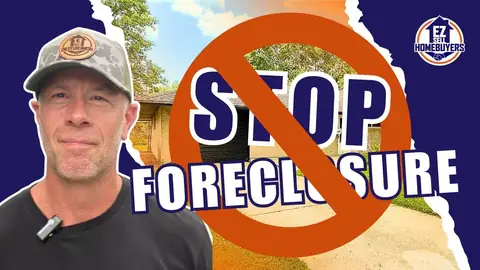
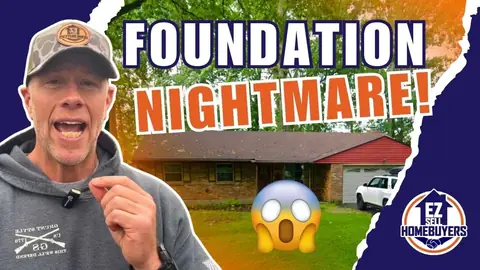
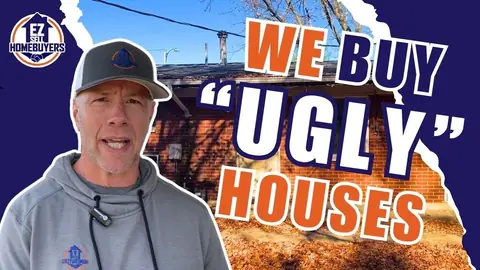
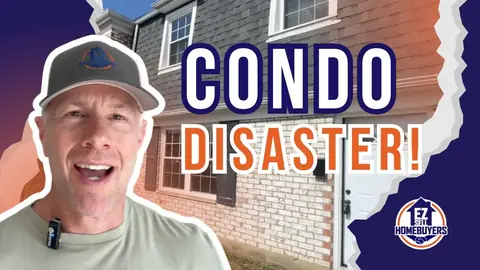
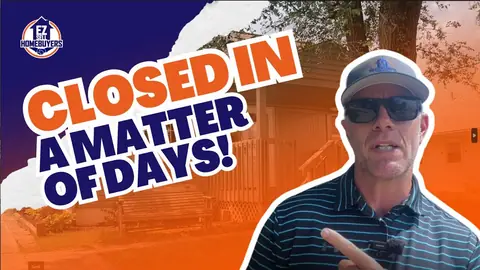
No matter how complicated your situation feels — we have helped Dayton homeowners in the exact same position move forward. Watch real stories from real Dayton sellers.

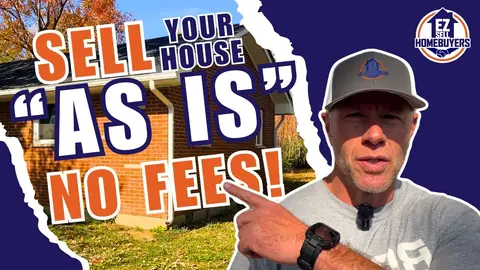
How to Sell Your Dayton House for Cash 4 Simple Steps
No surprises. No pressure. Just a straightforward process.
Tell Us About Your Property
Fill out the short form or give us a call. We'll ask a few quick questions about your home — condition, timeline, and what you're hoping to accomplish.
Get Your Cash Offer
We'll review your property and present a fair, no-obligation cash offer — typically within 15 minutes. No waiting, no guessing.
Choose Your Closing Date
You pick the date that works for you. We can close in as little as 7 days or give you the time you need. No pressure.
Get Paid — Move On
We close at a licensed title company. You walk away with cash and zero stress. No repairs, no showings, no commissions.
Or fill out the form above · No obligation · Takes 30 seconds
Trusted & Verified
★★★★★





Why Sell To EZ Sell Homebuyers?
Compare your options side-by-side — no spin, just the facts.
When you sell to EZ Sell Homebuyers you close in as little as 7 days, pay zero commissions, zero closing costs, and make zero repairs. Compare that to a traditional listing — which takes 3–6 months, costs you 5–6% in agent commissions, and requires weeks of showings — or other cash buyers who charge hidden fees and run you through a call center. With EZ Sell you deal directly with Mike Wall, a licensed Ohio REALTOR® with 1,700+ career real estate transactions; since 2016 EZ Sell Homebuyers has purchased 300+ Dayton homes for cash.
We Bought It As-Is. Here's What We Did With It.
You walk away with cash. We handle the renovation. Drag the slider to see the transformation.
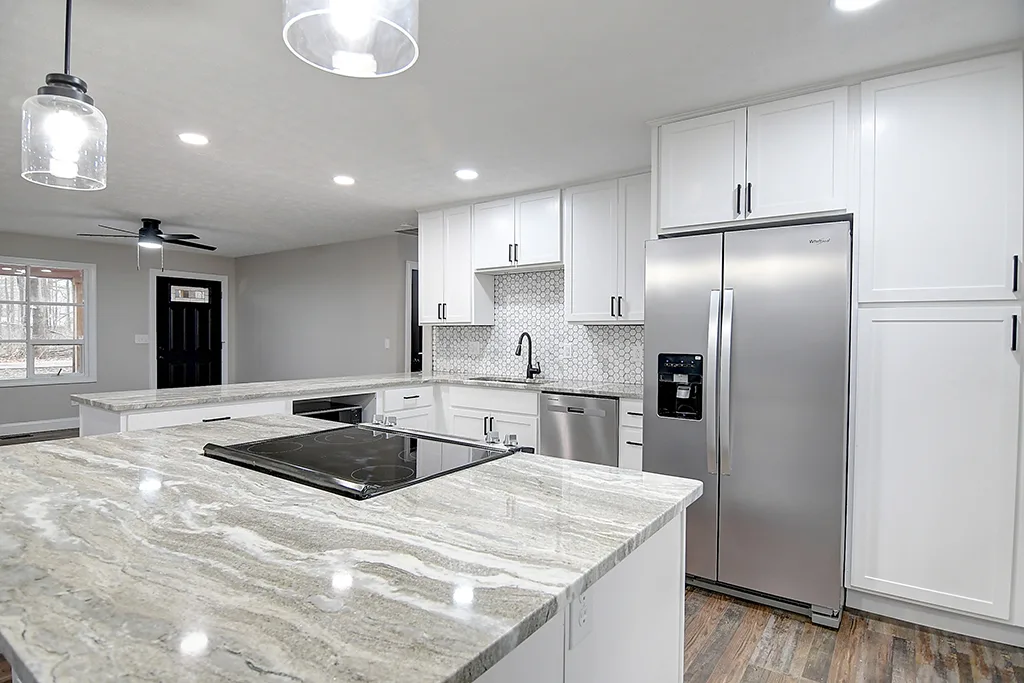
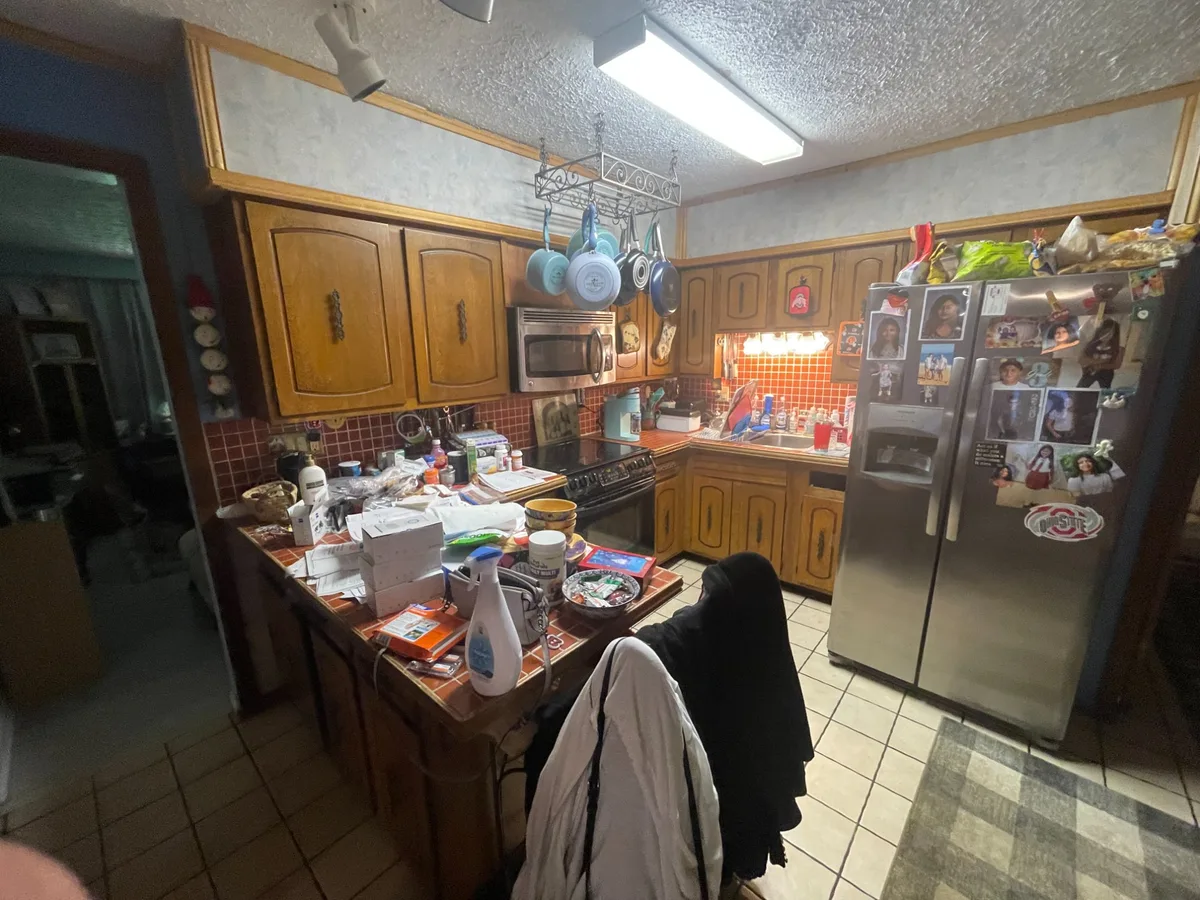
1209 Nutwood · Dayton, OH
As-Is Purchase → Full Renovation
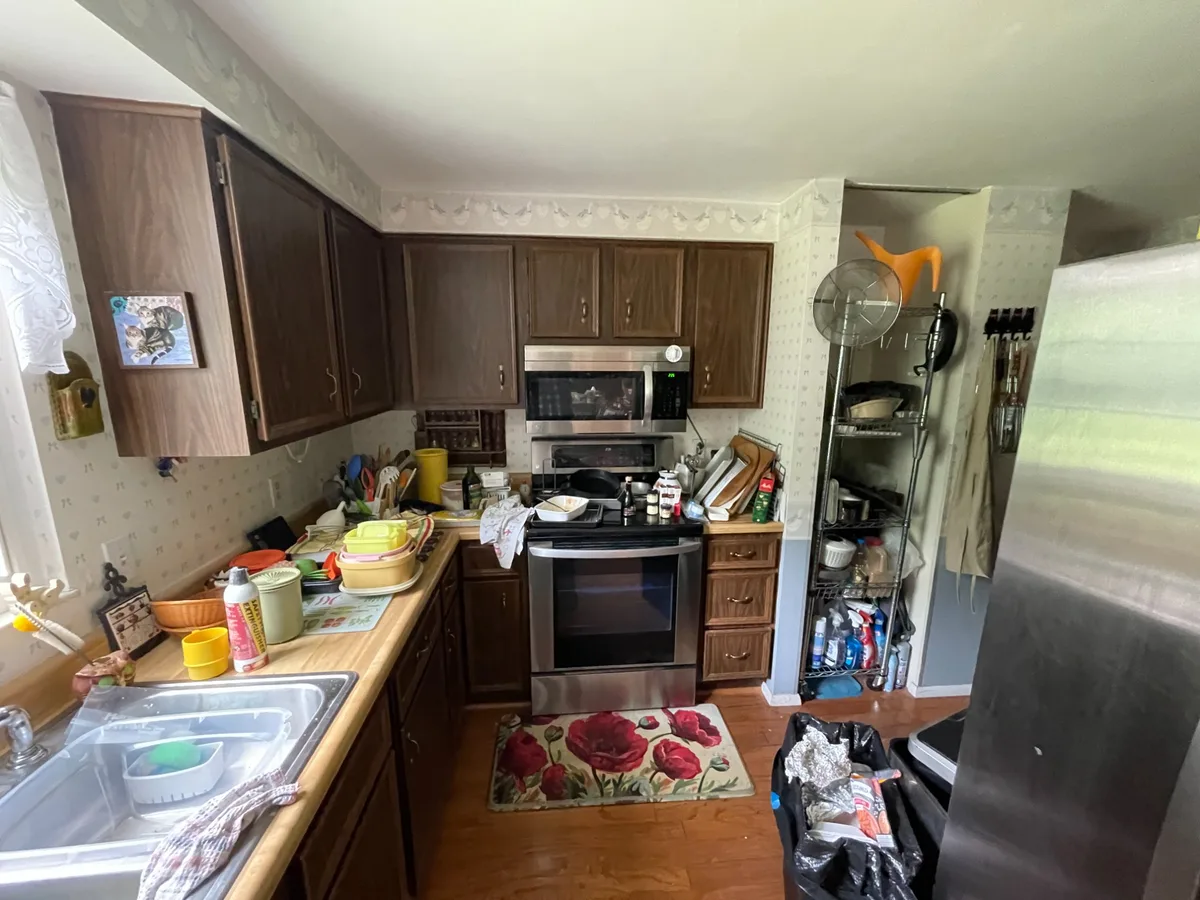
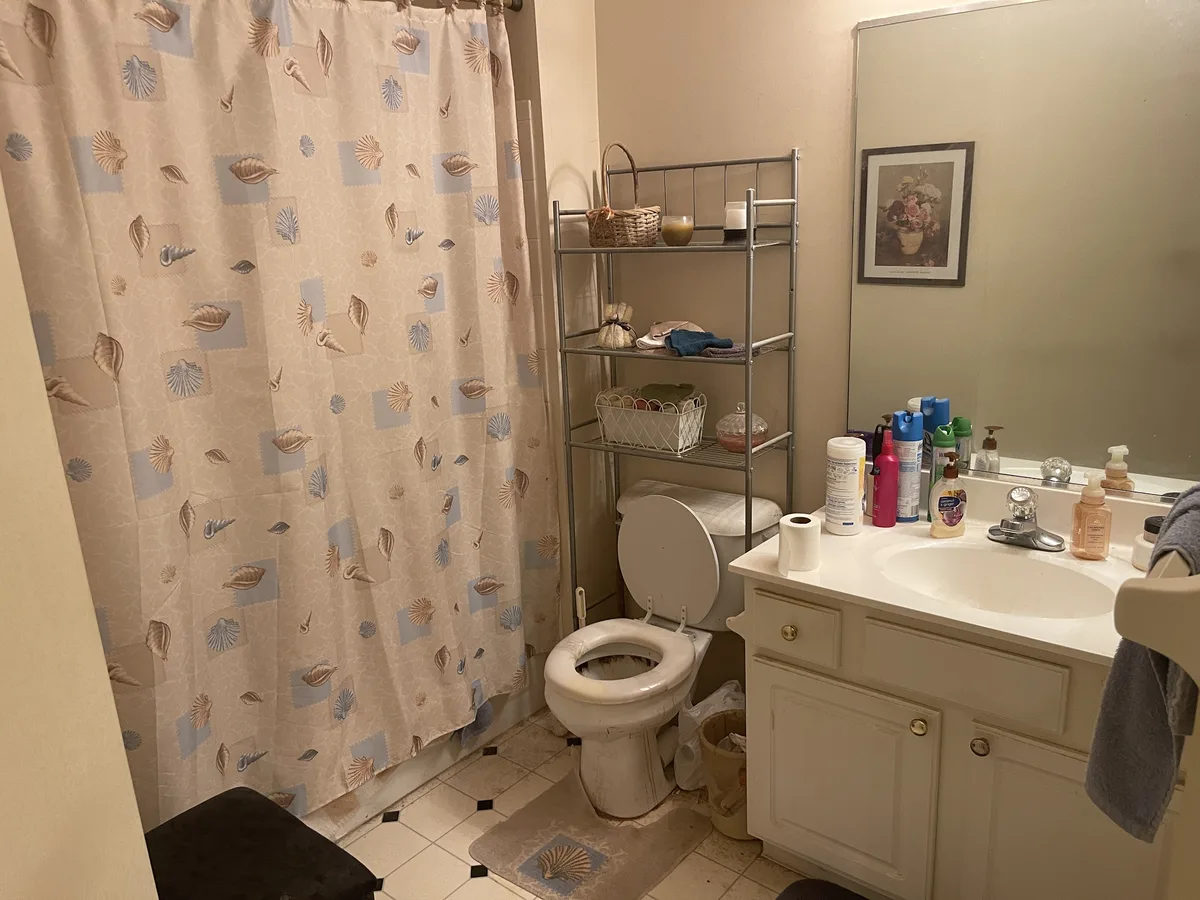
No repairs. No clean-out. No commissions.
Recent Cash Purchases Across the Miami Valley
Every property below was purchased directly from a local homeowner for cash — as-is, no repairs required. Mike shows up, makes an offer, and closes fast.
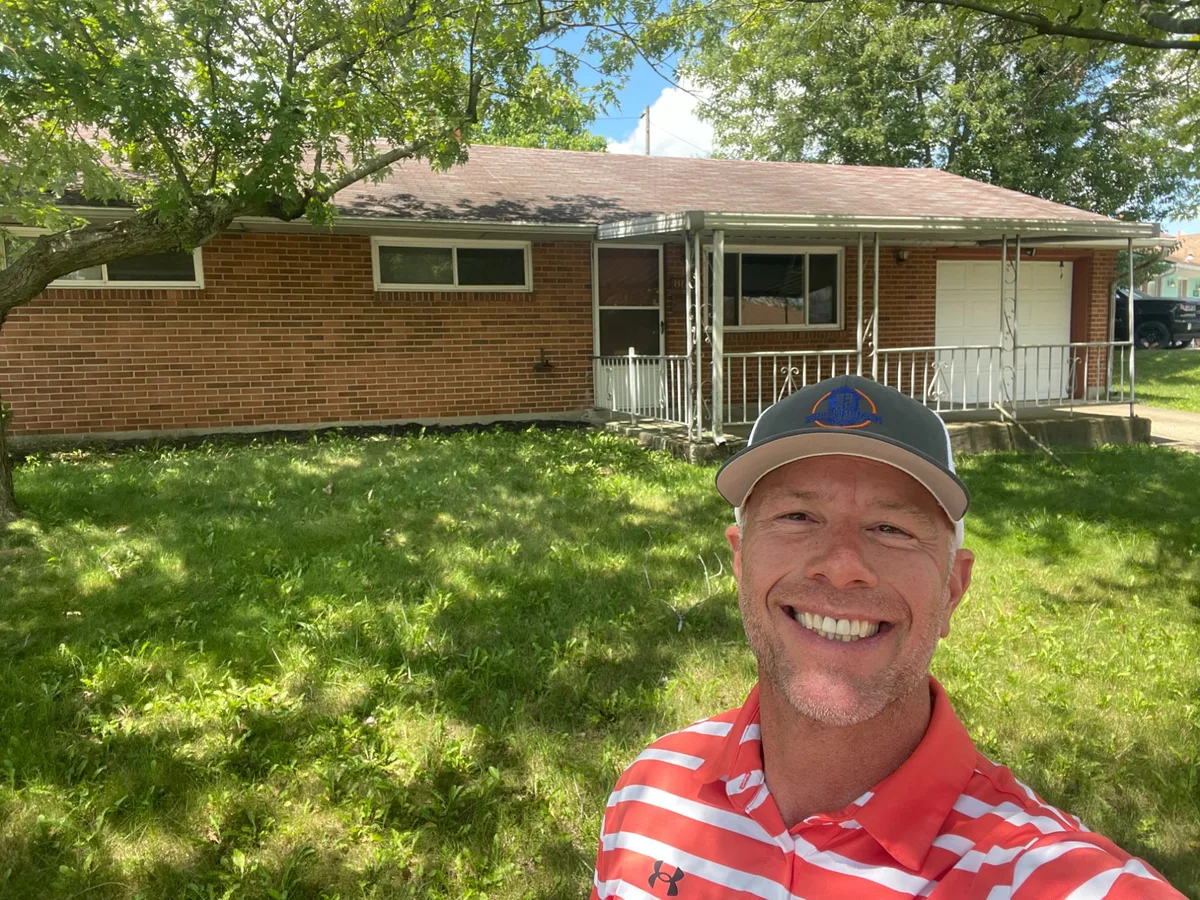
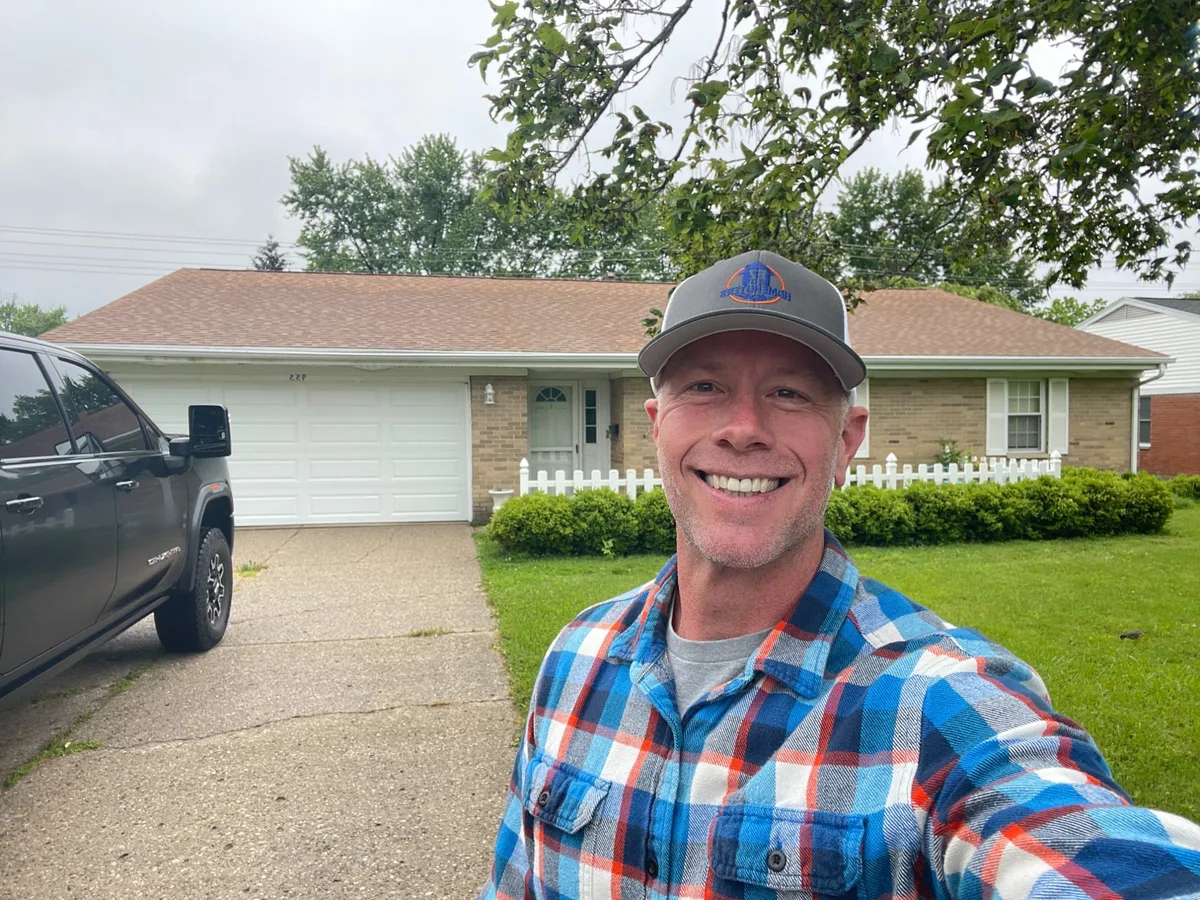
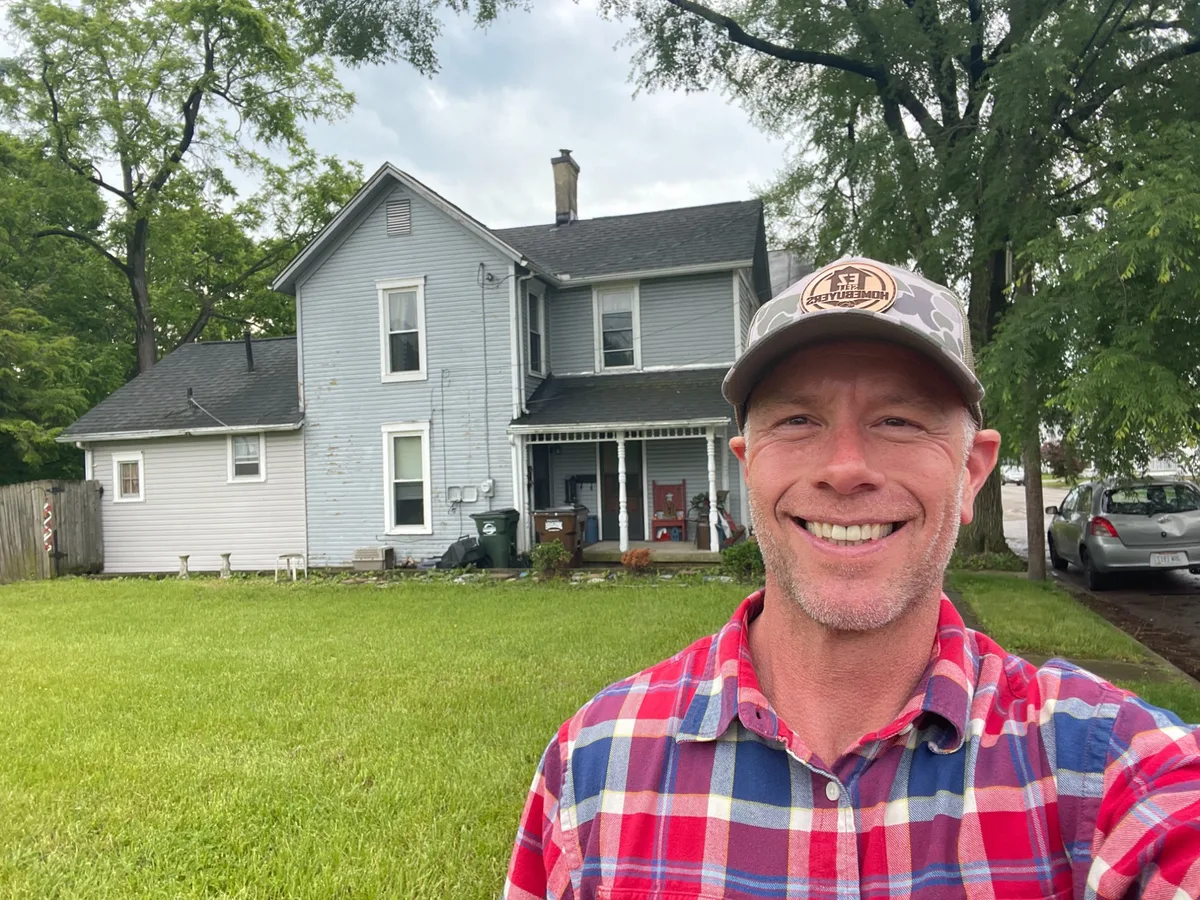
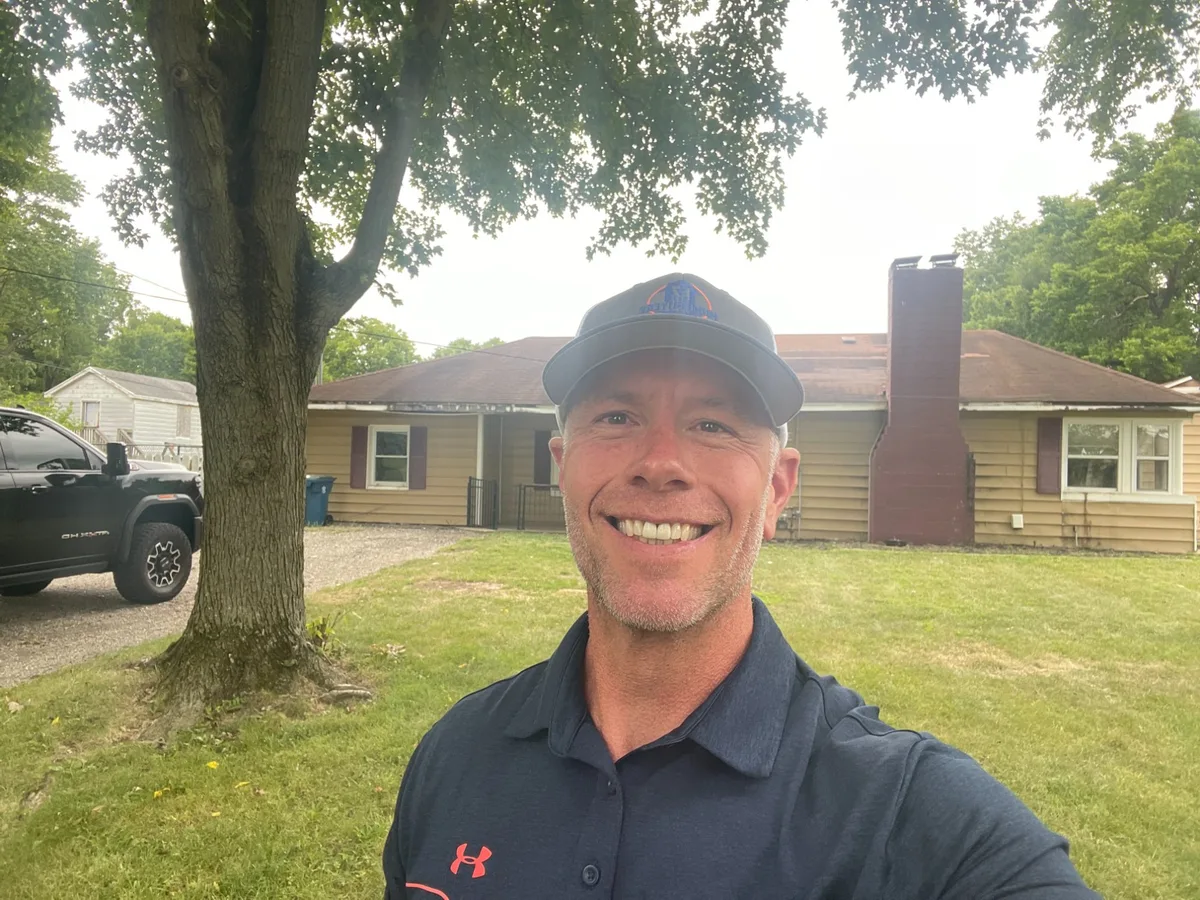
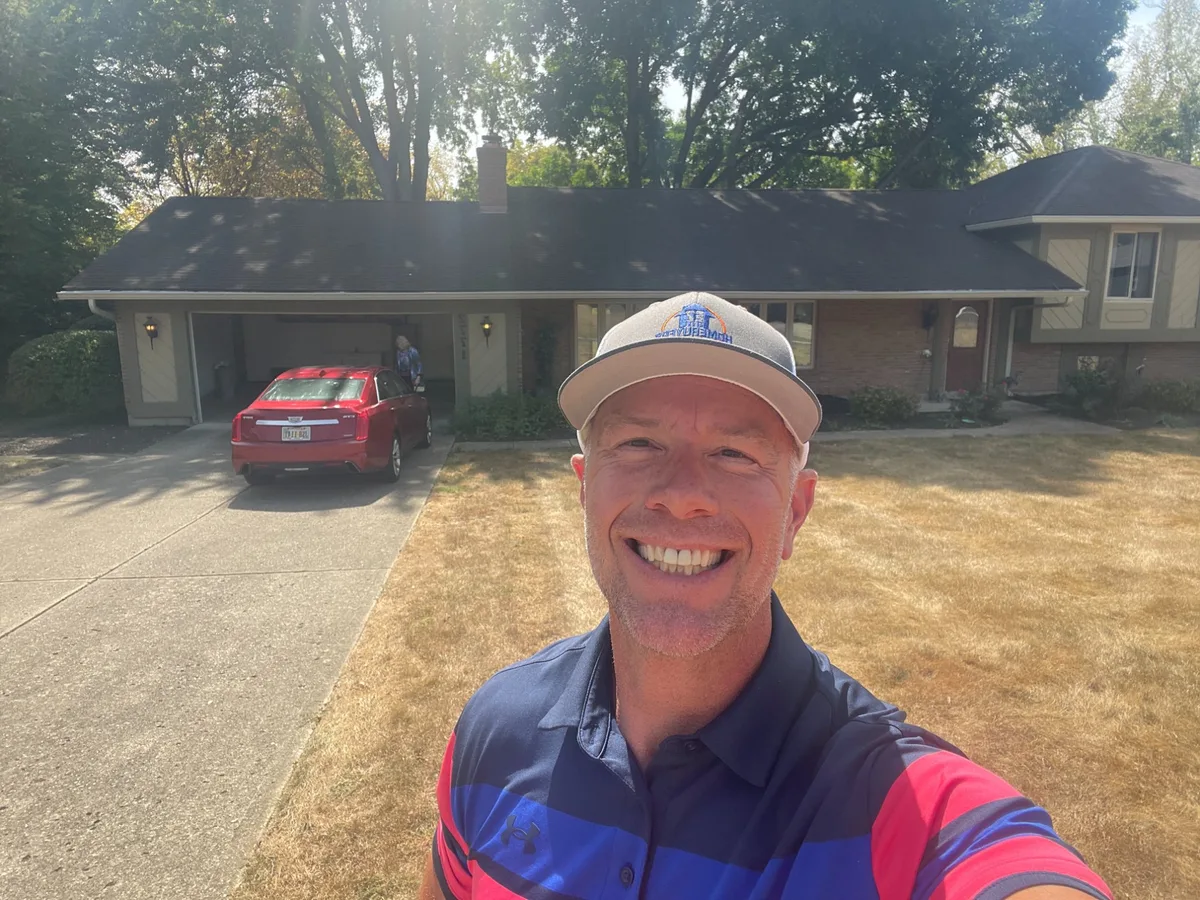
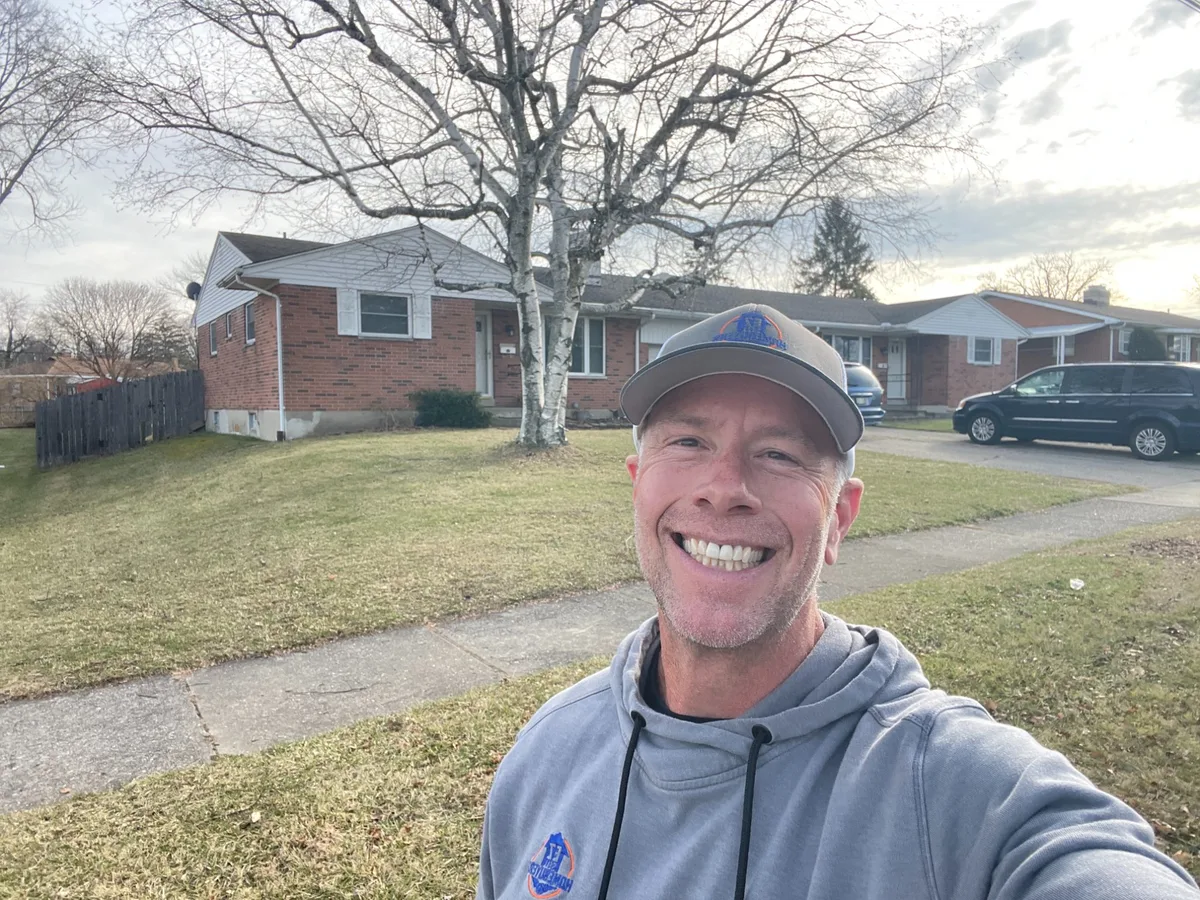
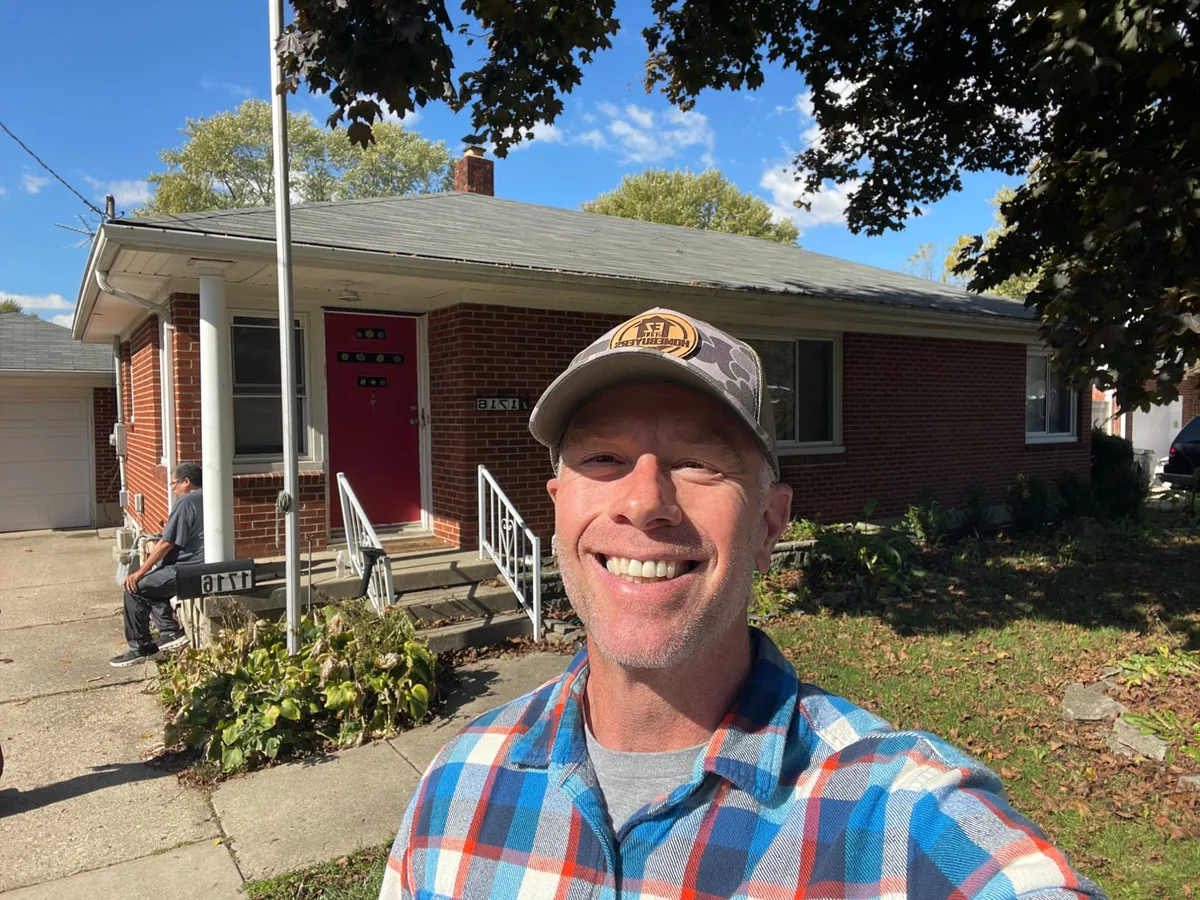
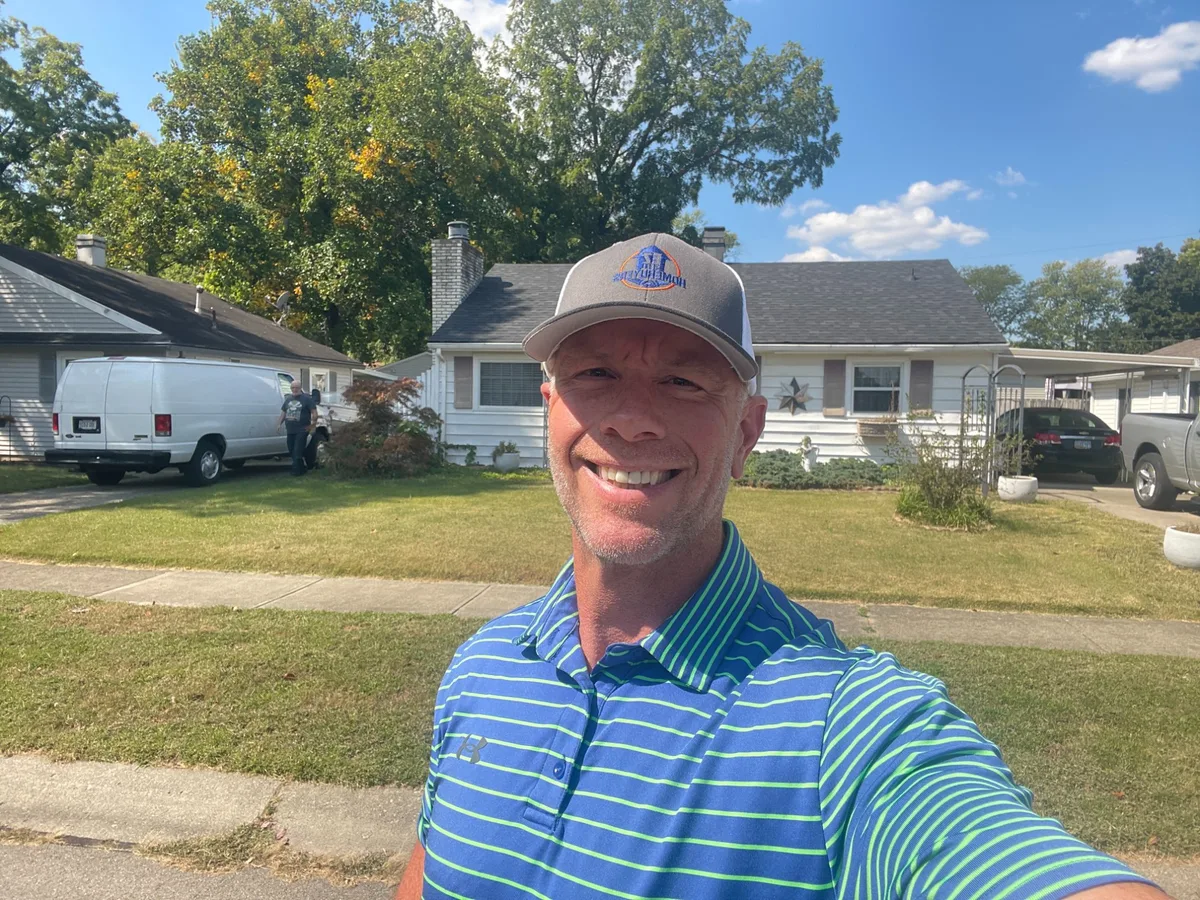
These are just a few of the 300+ homes we've purchased for cash across the Dayton area since 2016 — every house, every condition, every situation.
Get My Cash OfferStop overpaying the bank and the agents.
Get a fair cash offer in 15 minutes.
Since 2016, 300+ Dayton homeowners have skipped the listing, skipped the repairs, and walked away with cash on their timeline.
Call (937) 598-CASH — Get Your OfferOr scroll up to fill out the form above · Offer in 15 mins · No pressure
72+ Verified Google Reviews
What Dayton Homeowners Are Saying
Real reviews from real homeowners across Montgomery, Greene, and Warren counties.
You're Not Calling a Call Center. You're Calling Mike or Jay.
We are not a national hedge fund or an out-of-state algorithm. EZ Sell Homebuyers is locally owned in Springboro, Ohio — and has been serving the Dayton community since 2016.
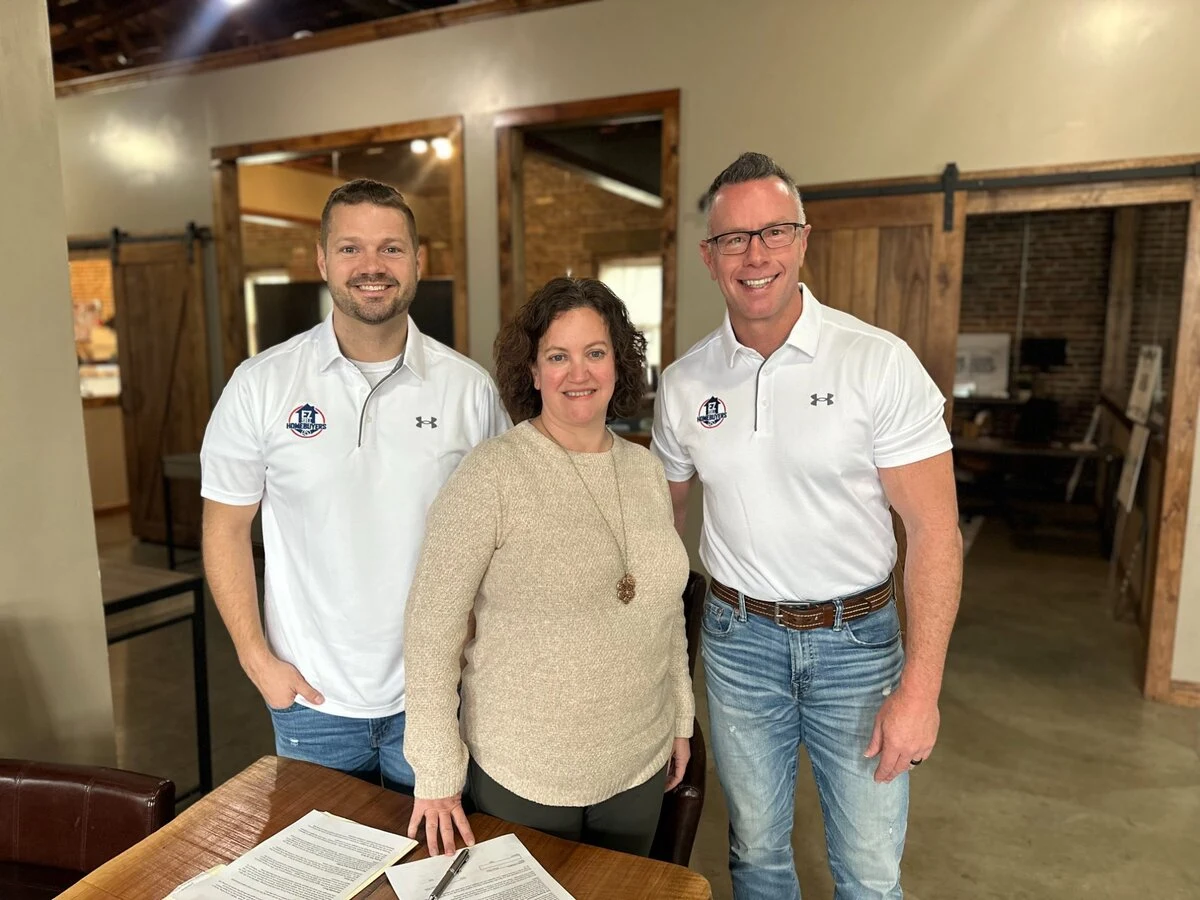
25+ years of Ohio real estate experience. 1,700+ career real estate transactions. Mike leads acquisitions — he is the one who shows up at your door, walks through the property, and makes you a firm offer on the spot. No assistants. No middlemen. The decision-maker, in person.
Jay runs the renovation side — the transformation you saw in the before/after photos above is his work. Decades of hands-on construction and property management expertise. When we buy your house, Jay is the reason it gets done right.
Every Dayton Neighborhood We Serve
We know Dayton block by block. Whether you're in a historic bungalow or a postwar ranch, we buy homes throughout the city — no neighborhood too rough, no property too far gone.
Don't see your neighborhood? Don't worry — chances are we buy there too. We cover all of Montgomery County and surrounding areas. Give us a call and we'll let you know right away. Call (937) 598-CASH →
Serving the Entire Miami Valley
Frequently Asked Questions
How quickly can you buy my house in Dayton?
+
We can provide a fair cash offer on your Dayton home within 15 minutes. As local Miami Valley cash buyers, we don't rely on bank financing, allowing us to close in as little as 7 days or on the timeline that works best for your situation.
Do I need to make repairs before selling to a Dayton cash buyer?
+
No. We buy houses in Dayton, Ohio exactly as-is. Whether the property has major repairs needed or is full of unwanted items, you can take what you want and leave the rest to us. We handle all cleaning and renovations after the sale.
Are there fees or commissions when selling my Miami Valley home to you?
+
Unlike listing with a Dayton real estate agent, there are zero commissions and no hidden fees. We pay all closing costs, ensuring the offer you receive is the exact amount of cash you get at the closing table.
How do you calculate your cash offer for Dayton properties?
+
Our offers are based on local Dayton market data. We calculate the After Repair Value (ARV), subtract renovation costs, and factor in a fair profit. This allows us to provide a win-win cash solution for Montgomery County homeowners.
Your House. Your Timeline.
Your Fair Cash Offer.
Call Mike or Jay directly. Real people. Real offers. Close in as little as 7 days — or on your schedule.
★★★★★ 72+ Five-Star Google Reviews · BBB Accredited · Licensed REALTOR®