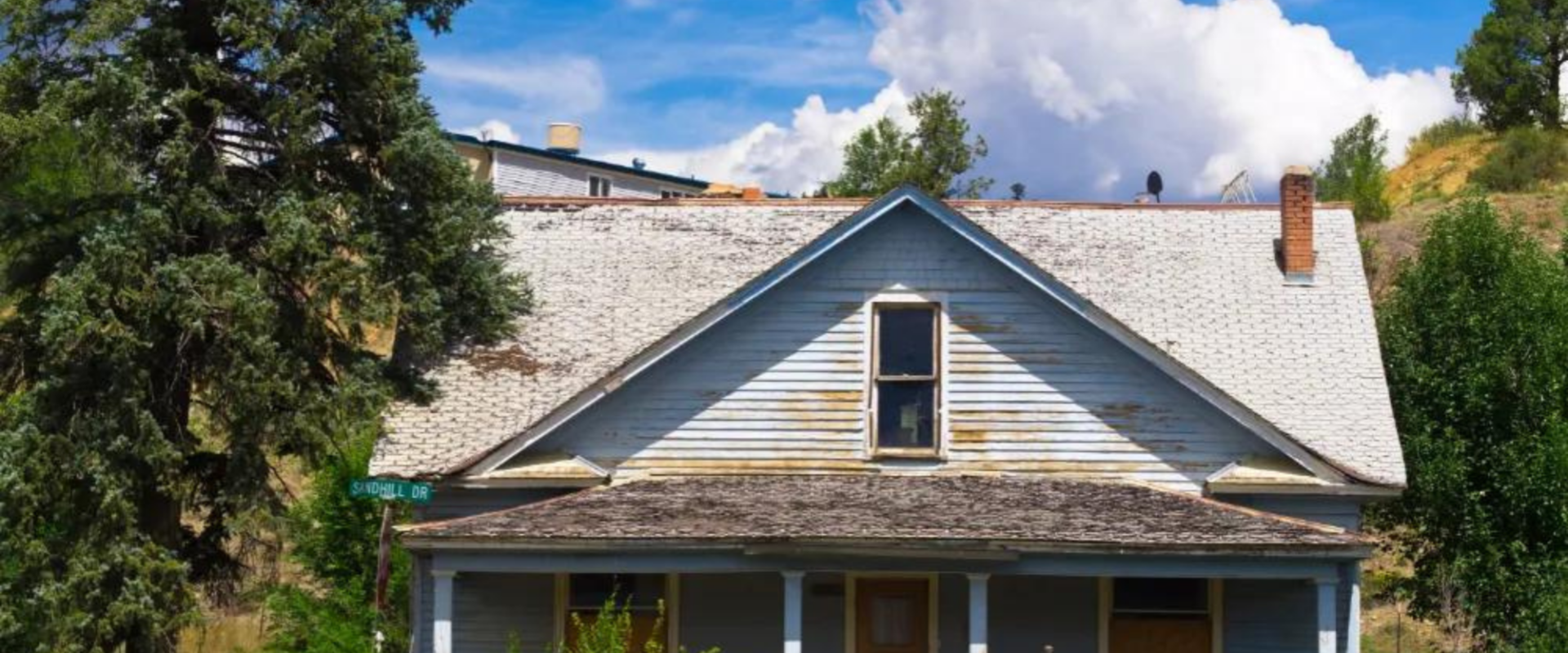
Selling a house is never simple, and when the property has code violations, the process can feel even more complicated and stressful. Many homeowners in Dayton receive notices from the city for issues they were not even aware of—outdated wiring, aging roofs, plumbing problems, structural deterioration, or unpermitted work completed years ago. These violations can make it harder to sell a home, especially if you are trying to sell through the traditional real estate market.
The important thing to know is this: you can still sell a house with code violations in Dayton, OH, and depending on your situation, you may be able to sell it fast and as-is without spending thousands of dollars on repairs. This guide explains what violations mean for your sale, what your options are, and how you can choose the best path forward.
Understanding Code Violations in Dayton, OH
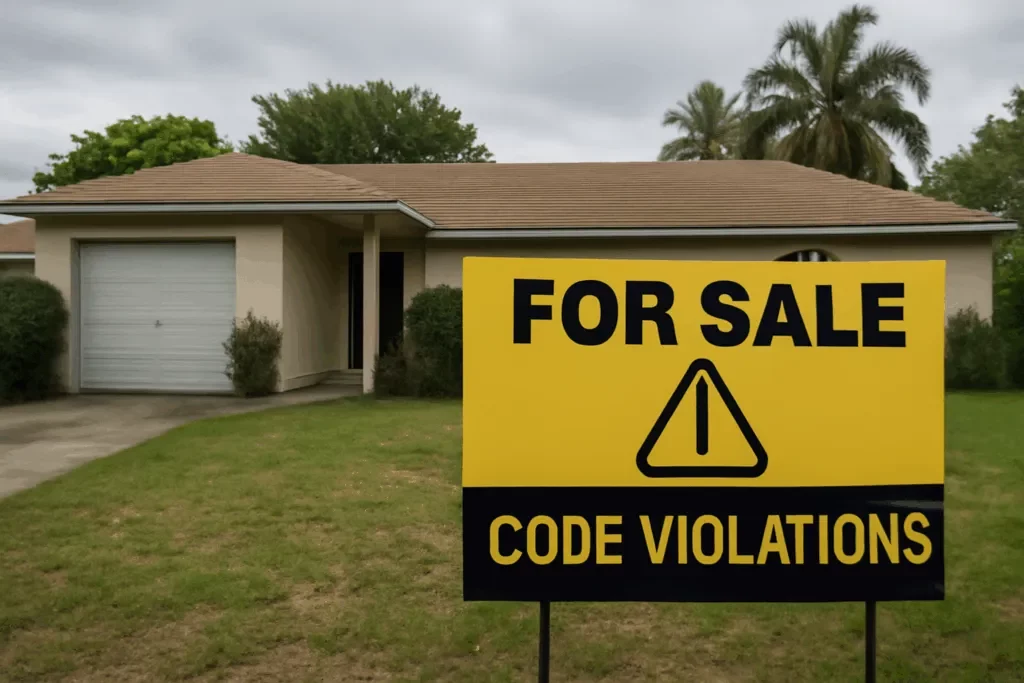
A code violation occurs when a property fails to meet the city’s building or safety standards. These rules are designed to ensure that homes are safe, healthy, and structurally sound. Violations can involve anything from minor cosmetic issues to major structural hazards. Dayton has many older homes, which naturally makes them more vulnerable to falling behind modern standards.
Some common causes of code violations include aging systems, lack of maintenance, water damage, pest infestations, or renovations completed without proper permits. These issues often develop over many years, especially in properties that have been vacant or inherited.
Common Types of Code Violations in Dayton Homes
Here are some of the most frequently reported violations. These issues may appear individually or in combination:
• Electrical hazards such as exposed wiring, outdated circuits, or overloaded panels
• Plumbing leaks, drainage problems, or non-functional fixtures
• Roof damage that leads to water intrusion and interior deterioration
• Foundation cracks, settling, or structural instability
• Mold or moisture damage due to long-term water exposure
• Unsafe or outdated HVAC systems
• Damaged siding, broken windows, or deteriorated exteriors
• Overgrown yards, debris accumulation, or sanitation issues
• Unpermitted additions or structural changes
• Improperly converted basements or garages
Some violations are easy to correct, while others require extensive, expensive repairs. The severity of the violations will influence the selling strategy you choose.
Can You Sell a House with Code Violations?
Yes, you absolutely can. There is no law preventing the sale of a property with violations in Dayton. However, the presence of violations affects:
• The type of buyers you can attract
• Whether traditional financing is possible
• The speed and complexity of the transaction
Most regular homebuyers rely on a mortgage. Banks typically require a thorough inspection and appraisal. If the property has significant safety issues or structural problems, the lender may refuse to approve the loan. This alone can make a traditional MLS sale very difficult.
This is why many homeowners choose an as-is sale, especially to buyers who use cash. Cash buyers do not rely on mortgage approval and are more willing to purchase homes with violations, repairs, or damage.
Why Selling a Home with Violations Can Be Challenging
Selling a code-violating house through the traditional real estate route often comes with several obstacles. Below are some of the most common challenges homeowners face:
• Inspection complications: Inspectors will identify violations and recommend repairs, which can scare buyers.
• Financing failures: Lenders may decline loans on unsafe or damaged properties.
• Repair demands: Buyers often request repairs or price reductions after inspections.
• Long timelines: Traditional sales can take months, which is problematic if fines or penalties are increasing.
• Uncertainty: Deals might fall apart late in the process, leaving you starting over.
For a homeowner facing mounting city notices or time-sensitive pressure, this process may not be practical.
Your Two Main Options: Fix the Violations or Sell As-Is
To sell a house with code violations, you typically have two main options: repair the issues or sell the property as-is without making any improvements.
Option 1: Repair the Code Violations Before Selling
Fixing the violations and bringing the property up to code can help you sell the home through the traditional market. This option may work best if:
• You have the money to cover repairs
• The repairs are manageable and not structural
• You live in a high-demand area
• You are not in a hurry to sell
Repairs can allow you to sell for a higher price, but they come with drawbacks. Renovations often cost more than expected once hidden issues are discovered. Coordinating contractors, dealing with permits, and waiting for work to be completed can take weeks or months. If you’re already facing financial difficulties, this option may not be feasible.
Option 2: Sell the House As-Is (Fast & Without Repairs)
Selling your house as-is means you are not responsible for making repairs before selling. Buyers are purchasing the property in its current condition, including all violations.
This is often the best choice for homeowners who:
• Cannot afford repairs
• Want a fast and guaranteed sale
• Are dealing with difficult violations
• Have inherited or vacant properties
• Are facing deadlines such as foreclosure, relocation, or probate
Cash buyers and investors specialize in purchasing homes that need work. They have the resources and expertise to fix violations after closing, which makes the process much easier for you.
For a broader, general explanation of how Sell House As-Is works, you can review this detailed guide on selling your house as-is.
Comparison: Repair vs. Sell As-Is
Below is a clear comparison to help you decide what fits your situation:
| Factor | Fix Violations Before Selling | Sell As-Is |
|---|---|---|
| Upfront Cost | High (repairs, permits, labor) | None |
| Time Required | Weeks or months | Often 7–14 days |
| Stress Level | High (contractors, inspections) | Low |
| Buyer Pool | Traditional buyers only | Cash buyers & investors |
| Sale Price | Potentially higher | Lower but guaranteed |
| Likelihood of Delays | High | Low |
| Risk of Sale Falling Through | High | Minimal |
This table illustrates why many Dayton homeowners choose the as-is option, especially when violations are significant.
Why As-Is Cash Sales Are Popular in Dayton
Many homeowners in Dayton prefer selling their code-violating homes as-is because the process is simple, predictable, and fast. Below are the most common reasons:
• No need for costly repairs, permits, or inspections
• No showings or open houses
• No need to clean or move items before selling
• No delays due to financing or appraisals
• Ability to close quickly and avoid growing fines
• Freedom from legal risk related to ongoing violations
An as-is sale offers relief from a stressful situation and provides certainty in circumstances where time and money may be limited.
How an As-Is Sale Works (Step-by-Step)
Despite what many homeowners think, selling as-is is a straightforward process. Here’s how it typically works:
Step 1: You contact a buyer
You provide basic information about the property, including its condition and any known violations.
Step 2: The buyer assesses the home
Most cash buyers will perform a quick walkthrough—far simpler than a formal inspection—to estimate repair costs.
Step 3: You receive a cash offer
The buyer gives you a no-obligation offer based on the property’s condition, necessary repairs, and the local market.
Step 4: You choose a closing date
If you accept the offer, you can close as quickly as 7–14 days or choose a later date that suits you.
Step 5: You get paid
At closing, the title company handles the paperwork, pays off any liens or taxes from the sale proceeds, and releases the remaining funds to you.
If you’re unsure how selling a home may impact your taxes, the IRS provides general guidance on home sales in resources like their Tax Topics on the sale of a home, which can help you prepare for potential tax implications.
This streamlined process helps homeowners escape stressful situations and move forward confidently.
How Code Violations Affect Your Offer Price
It is important to understand how buyers calculate offers on homes with violations. Cash buyers consider:
• The cost of bringing the home up to code
• Repair estimates for structural, electrical, or plumbing issues
• Market value after repairs
• Time required to renovate
• Risk of uncovering additional hidden issues
Because of these factors, offers on as-is homes are generally lower than retail prices. However, when you factor in the savings on repairs, time, stress, and holding costs, many homeowners still find as-is sales beneficial.
What If the Property Has Fines, Liens, or Open Permits?
Code violations often come with additional burdens such as unpaid fines, city liens, or unapproved renovations. Many homeowners fear these issues will prevent them from selling, but in most cases, an as-is sale is still possible.
The title company will identify any liens or outstanding debts attached to the property. These amounts can often be paid off out of the proceeds at closing. As long as everything is disclosed, the process remains smooth and manageable.
When Selling As-Is Is the Best Choice
Selling as-is is often the right decision when:
• Repairs exceed your budget
• The property is old or severely damaged
• You need to sell quickly
• You are facing fines, legal notices, or pressure from the city
• You have inherited a neglected home
• You are going through financial or personal hardship
In these situations, avoiding repairs allows you to regain control and reduce stress.
Tips Before Selling a Home with Code Violations
Before selling, take a few simple steps to prepare:
• Collect any notices or documents from the city
• Take photos of the property’s current condition
• Make a list of known issues for transparency
• Get multiple opinions or offers to compare
• Decide whether you prefer speed or a higher price
These steps help you understand your options clearly and avoid surprises during the sale.
Frequently Asked Questions
1. Can I sell a house with code violations in Dayton, OH?
Yes. You can legally sell a house with code violations in Dayton. Many buyers, especially cash buyers, purchase homes as-is and handle all repairs after closing.
2. Do I have to fix code violations before selling my home?
No. Fixing violations is optional. If repairs are too expensive or time-consuming, you can sell your home as-is to a buyer who accepts the property in its current condition.
3. Will code violations lower the sale price of my home?
Yes, violations typically reduce the offer amount because buyers factor in repair costs. However, you save time, avoid expenses, and close faster with an as-is sale.
4. How long does it take to sell a house with code violations?
If selling as-is to a cash buyer, you can often close in 7–14 days. Traditional sales may take much longer due to inspections, repairs, and lender requirements.
5. Can I sell a house with open permits, liens, or fines?
Yes. Most cash buyers purchase homes with liens or open permits. These amounts are usually paid off during closing through the sale proceeds.
6. What is the easiest way to sell a house with code violations in Dayton?
Selling your home as-is to a cash buyer is the simplest method. It avoids repairs, inspections, delays, and financing issues, giving you a fast and stress-free sale.
Conclusion
Owning a house with code violations in Dayton can feel overwhelming. Notices from the city, the threat of fines, and repair estimates that keep growing can make you feel stuck. But code violations do not mean you are out of options. You can still sell your property—you simply need the right strategy for your situation.
You can either invest time and money into repairing the issues and aim for a traditional sale, or choose a faster, more practical path by selling the house as-is. For many homeowners, especially those facing major repairs, financial challenges, or tight deadlines, an as-is sale is the most realistic and stress-free option.
That’s where EZ Sell Homebuyers can help. Instead of worrying about contractors, permits, and inspections, you can work with a buyer who understands distressed properties and is prepared to handle code violations, repairs, and paperwork after closing. EZ Sell Homebuyers can offer a straightforward as-is solution, allowing you to sell your house in Dayton, OH without making repairs, dealing with showings, or waiting months for a buyer.
If you’re ready to move on from a property with code violations, consider reaching out to us to explore a fast, as-is sale. You may find that turning a stressful situation into a clean, simple exit is easier than you think.