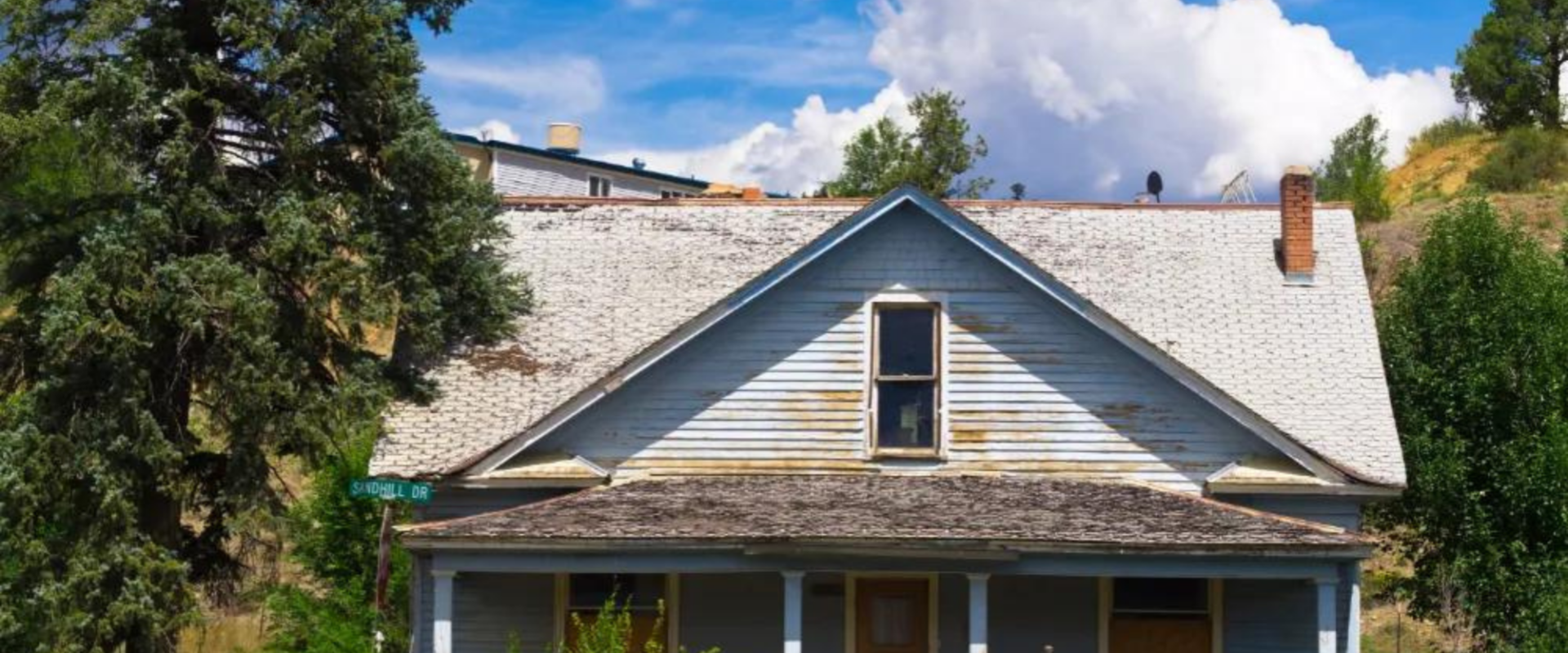
Owning a vacant property in Dayton, Ohio can quickly turn from an asset into a liability. While an empty house may appear manageable at first, the longer it remains unoccupied, the more financial, legal, and emotional strain it can create. From ongoing property taxes and insurance challenges to maintenance issues and city code enforcement, vacant properties often demand attention without providing any return.
For many property owners, selling a vacant house for cash becomes the fastest, simplest, and most practical solution. This comprehensive guide explains how to sell a vacant property fast for cash in Dayton, OH, what the process involves, what affects pricing, and how to avoid common pitfalls—so you can move forward with clarity and confidence.
What Is Considered a Vacant Property?
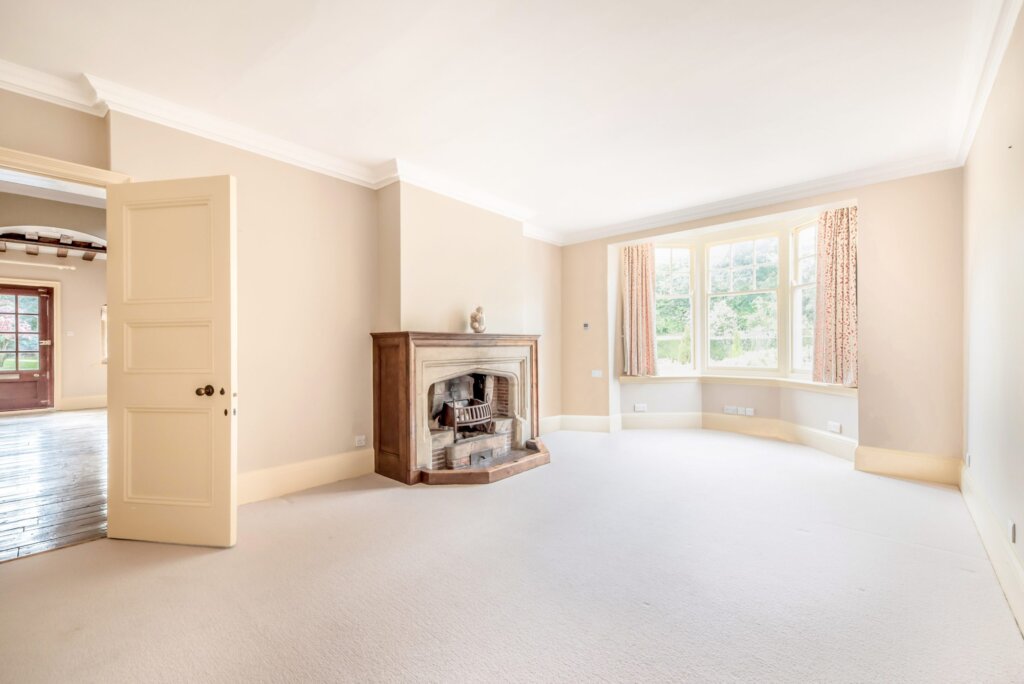
A vacant property is generally defined as a residential property that is not currently occupied and not actively used as a primary residence or rental unit. In Dayton, a home can be considered vacant even if it still contains furniture, personal belongings, or has utilities turned on.
Vacancy is especially important because many insurance providers, lenders, and city authorities treat vacant homes differently from occupied ones.
Common Types of Vacant Properties
Vacant properties in Dayton often fall into one or more of the following categories:
- Inherited homes where heirs live elsewhere or are unsure what to do with the property
- Rental properties that are no longer producing income due to tenant turnover or eviction
- Foreclosed or pre-foreclosure properties that have been abandoned
- Homes left empty after relocation, divorce, or job changes
- Distressed properties that require significant repairs
- Out-of-state owned homes that are difficult to manage remotely
Regardless of how a property becomes vacant, the risks and costs tend to increase the longer it sits empty.
Why Vacant Properties Are a Bigger Problem in Dayton, OH
Dayton has a diverse housing stock, including many older homes built decades ago. While these properties can offer character and affordability, they often require consistent upkeep. When left vacant, even small issues can escalate quickly.
Financial Risks of Owning a Vacant Property
Vacant homes continue to generate expenses every month, even when no one is living in them:
- Property taxes owed to Montgomery County must still be paid on time. Certain exemptions may apply depending on the property type or ownership status, which can reduce your tax burden. You can find more information on the official Montgomery County Tax Exemption
- Insurance costs are often higher for vacant properties, and some policies exclude coverage after a set vacancy period
- Utility expenses may still be necessary to prevent frozen pipes, humidity damage, or mold growth
- Maintenance and lawn care are required to comply with city ordinances
- Emergency repairs can arise unexpectedly due to weather, vandalism, or deterioration
Over time, these expenses can exceed the potential profit from selling the home traditionally.
Legal and Safety Concerns
Vacant properties are more vulnerable to legal and safety issues, including:
- City code enforcement for overgrown lots, unsafe structures, or other violations. Dayton actively monitors vacant and distressed properties to maintain neighborhood safety and compliance. More details can be found on the official Dayton Civil Housing Enforcement Process
- Squatting or trespassing, which can create legal complications
- Vandalism or theft, especially copper wiring or appliances
- Fire hazards due to neglect or unauthorized entry
- Fines and enforcement actions from local authorities
In Dayton, properties that appear neglected may attract increased scrutiny from city inspectors.
Why Selling a Vacant Property for Cash Is Often the Fastest Option
Traditional real estate sales often rely on mortgage financing, inspections, appraisals, and buyer contingencies. Vacant homes—especially those in poor condition—frequently struggle to meet these requirements.
Cash sales eliminate many of these obstacles.
Key Benefits of Selling for Cash
| Feature | Cash Sale | Traditional Listing |
|---|---|---|
| Repairs required | None | Often required |
| Time to close | 7–14 days | 60–90+ days |
| Financing approval | Not needed | Required |
| Showings | None | Multiple |
| Inspection issues | Not applicable | Common |
| Risk of deal falling through | Low | Higher |
| Realtor commissions | None | Typically 5–6% |
By avoiding financing delays and repair demands, cash sales offer a faster and more predictable outcome for vacant property owners.
How to Sell a Vacant Property Fast for Cash in Dayton, OH (Step-by-Step)
Selling a vacant home for cash follows a straightforward process designed to minimize time and complexity.
Step 1: Gather Basic Property Information
To begin, property owners typically provide:
- Property address and location
- Ownership status
- Approximate condition of the home
- Any known legal, financial, or structural issues
This step does not require inspections, appraisals, or cleaning.
Step 2: Request a Cash Offer
Cash offers are usually based on:
- The property’s location within Dayton or nearby areas
- Overall structural and cosmetic condition
- Estimated cost of repairs
- Current local market conditions
Because there is no lender involved, offers are often generated quickly.
Step 3: Review the Offer Carefully
Property owners can:
- Take time to review the offer
- Ask questions about pricing and closing
- Decline without obligation
There is no requirement to accept the first offer received.
Step 4: Choose a Closing Date
Once an offer is accepted:
- Title work begins
- A closing date is scheduled based on availability
- Funds are transferred securely at closing
Many sellers appreciate the flexibility of choosing a date that aligns with their needs.
Selling a Vacant Property As-Is: What It Really Means
Selling a vacant property “as-is” means the buyer accepts the home exactly in its current condition, without requiring repairs, updates, or improvements.
Issues Commonly Included in As-Is Sales
- Structural damage
- Roof issues
- Electrical or plumbing problems
- Outdated kitchens or bathrooms
- Mold, water damage, or fire damage
- City code violations
What Sellers Do Not Need to Do
- No cleaning or trash removal
- No renovations or repairs
- No inspections or appraisals
- No staging or showings
This approach is especially beneficial for owners who lack the time, funds, or desire to manage repairs.
How Much Can You Expect When Selling a Vacant Property for Cash?
Cash offers reflect the convenience, speed, and reduced risk associated with the transaction. While they may be lower than retail listing prices, they also eliminate many hidden costs.
Factors That Influence Cash Offers
| Factor | Impact |
|---|---|
| Overall property condition | High |
| Dayton neighborhood | High |
| Estimated repair costs | Medium |
| Market demand | Medium |
| Property size | Low |
Direct Answer
How much will I get if I sell my vacant house for cash in Dayton?
The amount depends on the property’s condition, location, and repair needs, but selling for cash often results in net savings by avoiding repairs, commissions, and months of holding costs.
For a detailed overview of the cash-for-house process — including how offers are made, pros and cons, and what to expect — see this guide from Forbes Advisor on Selling Your House for Cash.
Selling a Vacant Property vs Listing With a Real Estate Agent
| Category | Cash Sale | Agent Listing |
|---|---|---|
| Time to sell | Days | Months |
| Required repairs | None | Often required |
| Upfront costs | None | Cleaning, staging, repairs |
| Financing risk | None | High |
| Suitable for distressed homes | Yes | Often challenging |
Vacant homes frequently remain on the market longer when listed traditionally, especially if they are not move-in ready.
Can You Sell a Vacant Property With Legal or Financial Issues?
Yes. Many vacant properties come with complications that do not prevent a cash sale.
Common Issues That Can Still Be Resolved
- Probate or inherited ownership
- Outstanding liens
- Back property taxes
- Foreclosure proceedings
- Code enforcement violations
- Title defects
While these situations may require additional documentation, they do not automatically disqualify a property from being sold.
How Fast Can a Vacant Property Be Sold for Cash in Dayton?
Typical Timeline
| Day | What Happens |
|---|---|
| Day 1 | Property details submitted |
| Day 2–3 | Cash offer received |
| Day 4–7 | Title search and preparation |
| Day 7–14 | Closing and payment |
More complex title situations may take slightly longer, but many transactions close within two weeks.
Costs You Avoid by Selling a Vacant Property Quickly
Selling a vacant home fast can help eliminate:
- Monthly property taxes
- Insurance premiums
- Utility bills
- Lawn maintenance costs
- Security and liability risks
- Unexpected emergency repairs
For properties vacant over long periods, these avoided costs can represent substantial savings.
Common Mistakes to Avoid When Selling a Vacant Property
Waiting Too Long
Vacant homes often deteriorate faster than occupied ones, reducing value over time.
Making Unnecessary Repairs
Major renovations rarely provide full return on investment for distressed properties.
Overpricing the Property
Unrealistic pricing can lead to prolonged vacancy and increased expenses.
Ignoring Insurance and Liability Risks
Vacant homes require specialized insurance coverage to avoid costly losses.
Frequently Asked Questions About Selling a Vacant Property for Cash
1. Can I sell a vacant house in Dayton without making repairs?
Yes. You can sell a vacant house in Dayton as-is, even with structural or cosmetic issues, without performing any repairs. Cash sales allow a fast and simple process.
2. Do I need to remove personal belongings before selling?
No. Most vacant properties can be sold with items left inside, eliminating the need for cleaning or hauling out belongings.
3. How fast can I sell a vacant property for cash in Dayton, OH?
Cash sales in Dayton typically close within 7–14 days after an offer is accepted, depending on title work and property complexity.
4. Will I have to pay closing costs when selling for cash?
In many cases, cash sales reduce or cover closing costs, helping sellers save on fees compared to traditional sales.
5. Can I sell a vacant house in Dayton if I live out of state?
Yes. Many vacant properties in Dayton can be sold remotely, with documents signed electronically and payment completed securely.
6. Can a property with liens or code violations be sold for cash?
Yes. Properties with legal or financial issues, including liens or code violations, can still be sold quickly for cash with proper disclosure.
Who Should Consider Selling a Vacant Property for Cash?
Selling for cash is often ideal for:
- Out-of-state owners
- Heirs managing inherited homes
- Landlords facing prolonged vacancies
- Owners dealing with foreclosure
- Anyone seeking a fast, low-stress sale
Local Considerations for Vacant Properties in Dayton, OH
Dayton’s neighborhoods vary in age, condition, and buyer demand. Older homes may face accelerated deterioration when vacant, while newer areas may involve stricter code enforcement or HOA rules.
Understanding local conditions highlights why speed and simplicity are especially valuable when selling vacant properties in this region.
Final Thoughts: Selling a Vacant Property Fast for Cash in Dayton, OH
Vacant properties often bring ongoing expenses, legal concerns, and maintenance challenges that can quickly outweigh their value. For many owners in Dayton, holding onto an empty house becomes stressful and costly over time. Selling a vacant property for cash offers a practical way to eliminate these burdens without the delays, repairs, or uncertainty associated with traditional real estate transactions.
By working with EZ Sell Homebuyers, property owners can explore a straightforward option to sell a vacant home as-is and move forward on a timeline that fits their situation. This approach helps reduce risk, avoid ongoing holding costs, and provide clarity during what is often a complex property decision.